

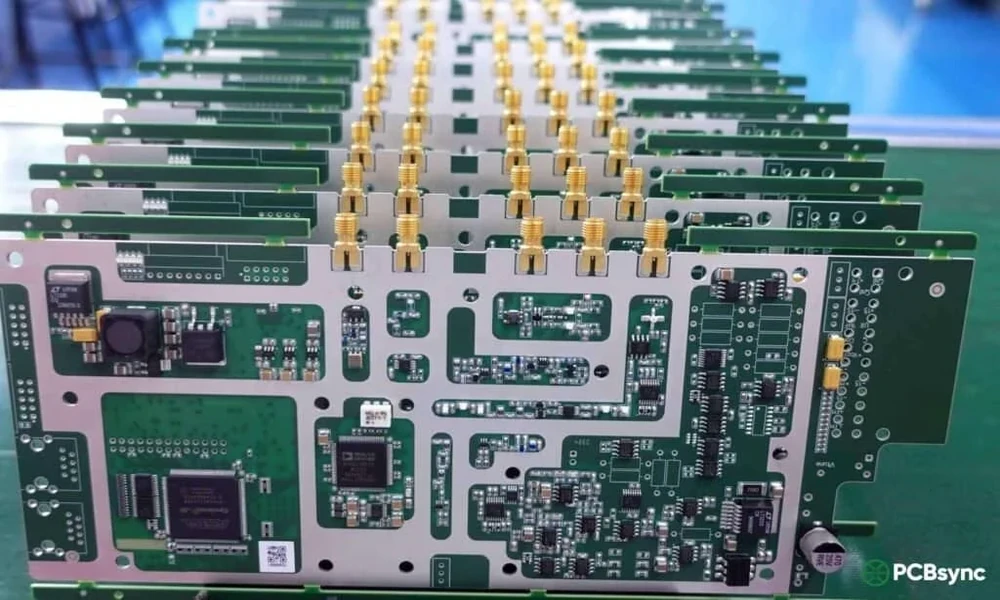
Hardware development moves fast, and waiting two weeks for prototype boards is often two weeks you don’t have. Whether you’re chasing a deadline, trying to close a design iteration loop quickly, or need boards in hand before a critical meeting, quick turn PCB prototyping has become one of the most useful tools available to hardware developers at every level. What used to be an expensive luxury reserved for well-funded engineering teams is now accessible to startups, independent designers, and serious hobbyists.
But quick turn isn’t just about slapping a rush fee on a standard order and hoping for the best. Getting the most out of fast-turn prototyping means understanding how the process works, what affects turnaround time, and how to prepare your files and design to take full advantage of it.
Here’s what you need to know.
What Quick Turn PCB Prototyping Actually Means
Quick turn PCB prototyping refers to fabrication services that prioritise speed above all else, compressing the standard 5 to 15 business day turnaround down to 24 to 72 hours in many cases. Some domestic manufacturers offer same-day fabrication for straightforward designs submitted before a daily cutoff time.
The speed comes from queue priority. In standard production, boards move through each fabrication step in batches and wait in line between them. Quick turn orders jump those queues, often running on dedicated equipment and production lines specifically set aside for fast-turn work. You’re not getting a different manufacturing process. You’re getting priority access to the same process, which means your boards spend far less time waiting between steps.
The result is a door-to-door timeline that can shrink from two weeks to two to four days including shipping, depending on your manufacturer’s location and the shipping option you choose.
When Quick Turn Is Worth It
Quick turn fabrication costs more than standard lead time service, sometimes significantly more. The premium is worth it in some situations and hard to justify in others. Getting clear on which situation you’re in helps you make the call confidently.
Active design iteration. When you’re cycling through design revisions quickly, the time between spinning a board and getting it back is dead time in your development schedule. Compressing that from two weeks to three days means you can complete more iterations in the same calendar time, which genuinely accelerates the path to a validated design. For teams working on tight development schedules, the cost of quick turn is easily justified by the time it saves.
Imminent deadlines. Trade shows, investor demos, customer pilots, and product launches don’t move to accommodate board lead times. When a deadline is fixed and a design change happens closer to it than you’d like, quick turn is often the only option.
Validation before a production commitment. If you’re about to commit to a significant production order, having a quick turn prototype in hand first to verify the design is sound is money well spent. Discovering a problem after placing a production order is far more expensive than a quick turn prototype run.
Urgent fixes. Sometimes a deployed product has a fault that needs a hardware fix, and waiting two weeks for replacement boards isn’t acceptable. Quick turn gets the fix into the field faster.
If none of these apply and you have flexibility on timing, standard lead time service at lower cost is the rational choice. Quick turn is a tool for situations where time has genuine value attached to it.
Designing for Quick Turn Success
The fastest path through a quick turn fab is a clean, standard design that doesn’t require any back-and-forth between you and the manufacturer. Every exchange of emails to clarify a file issue or resolve a design rule violation adds time to your order, sometimes more than the entire fabrication window. Designing with quick turn in mind from the start eliminates those delays.
Stay within standard capabilities. Quick turn services work fastest with standard board parameters: 2 or 4 layer construction, standard 1.6mm thickness, 1oz copper, HASL or ENIG surface finish, and trace widths and spacings within normal tolerances. Non-standard requirements either aren’t available on fast-turn lines or require special handling that extends the timeline. If your design has exotic requirements, check with your manufacturer before assuming quick turn is available.
Load your manufacturer’s DRC rules before you start routing. Every fab publishes a design rule file for common EDA tools. Loading it into your software before layout means the DRC catches violations against that fab’s specific tolerances rather than software defaults. A board that passes your manufacturer’s DRC on the first check goes straight to production. A board with DRC violations goes to your inbox for correction first.
Generate and check your Gerbers before you’re in a hurry. The absolute worst time to discover a Gerber generation problem is when you’re submitting an urgent quick turn order. Open your files in a Gerber viewer and verify every layer looks correct before you need to submit under time pressure. This takes five minutes as a routine step and can save hours of frantic troubleshooting when deadlines are close.
Keep the design simple where possible. Blind and buried vias, very fine trace pitches, and complex controlled impedance requirements all add time even on quick turn lines. If there’s a design choice that doesn’t affect performance, default to the simpler option when you’re optimising for speed.
Domestic vs. Overseas Quick Turn: The Full Picture
This is the decision that most significantly affects total door-to-door turnaround, and it’s one that catches a lot of buyers out when they focus on fabrication time without accounting for shipping.
An overseas fab advertising 24-hour quick turn fabrication sounds compelling until you factor in that standard international shipping from Asia adds 7 to 15 days on top of that, and express international shipping adds meaningful cost on top of the already-premium quick turn price. For genuinely urgent timelines, the fabrication speed advantage of an overseas express service can be entirely consumed by shipping time.
Domestic quick turn manufacturers in the US and Europe offer a significant total timeline advantage for urgent orders because domestic shipping is measured in days rather than weeks. A board fabricated in 48 hours and shipped 2-day domestic arrives in 4 business days total. The same board fabricated overseas in 24 hours with express international shipping might arrive in 5 to 7 days at significantly higher total cost.
For the fastest possible door-to-door time on a genuinely urgent order, a domestic quick turn manufacturer with 2-day shipping is almost always the right answer regardless of per-board fabrication cost. For situations where 7 to 10 days total is acceptable, overseas fabs with express shipping become competitive on both time and cost.
Assembly: Planning Ahead Saves Time
If your prototype needs to be assembled as well as fabricated, the assembly timeline needs to be in your plan from the start. Quick turn fabrication gets you bare boards fast, but assembled boards require either hand soldering or an assembly service, and assembly services have their own lead times.
For quick turn prototypes that you’ll hand solder yourself, the main consideration is having your components in hand before or when the boards arrive. Ordering components after you submit the board order is a common mistake that adds days of waiting to the end of the process regardless of how fast the boards came back.
For quick turn orders that include assembly, many fabs and contract manufacturers offer fast-turn assembly alongside fast-turn fabrication. These services typically work best with a clean, complete BOM and pick-and-place file submitted at the same time as the board files. Missing or incomplete assembly files are the most common cause of delays in turnkey quick turn services. Having everything prepared together before you submit is the single biggest thing you can do to protect your assembly timeline.
What to Do When the Boards Arrive
Getting boards back quickly only delivers value if you’re ready to use them the moment they arrive. A quick turn prototype that sits on your bench for three days while you source missing components or finish writing test firmware hasn’t actually accelerated your schedule.
Before your boards ship, have your components sorted and staged, your test setup ready, and your bring-up plan clear. Know exactly what you’re going to test first and what a pass or fail looks like for each test. The goal of a quick turn prototype is to get learning as fast as possible, and learning requires a clear experimental plan.
Do a quick incoming inspection before you start assembling. Even on fast-turn orders from reputable manufacturers, a visual check for obvious fabrication issues takes a few minutes and is worth doing before you commit assembly time to a board that has a problem. Check board dimensions, layer registration, solder mask coverage, and drill locations.
Then get straight to bring-up. The time you saved on fabrication lead time is yours to use in design iteration, and the sooner you learn what the board does and doesn’t do, the sooner you can spin the next revision.
Choosing the Right Quick Turn Partner
Not all quick turn services are equal, and the manufacturer you choose for standard lead time work may not be the best option when speed is the priority.
Look for a manufacturer that publishes clear, guaranteed lead times rather than aspirational estimates. Look for one with a track record of actually delivering to those times, which often means checking reviews and asking peers in your engineering community who they use for urgent orders.
Confirm that the service level you need is actually available for your specific design. Some quick turn services only offer their fastest lead times for simple 2 layer boards within standard specifications. If your design has more complex requirements, verify that quick turn is available for it before you depend on that timeline.
Check that their customer service is responsive. When you’re on a tight timeline, a manufacturer that responds to questions within hours is worth more than one with slightly lower pricing that takes a day to reply.
The Bottom Line
Quick turn PCB prototypes have changed the pace at which hardware development can move. The ability to get boards in hand in days rather than weeks, at prices that have come down significantly over the last decade, gives designers more iterations per calendar month and a much tighter feedback loop between design and physical hardware.
Used well, quick turn prototyping accelerates development schedules, reduces the cost of design mistakes caught early, and removes the long waits that used to be an unavoidable part of hardware work. The key is knowing when the premium is worth it, preparing your files so there are no delays at submission, and having your team and components ready to move the moment the boards arrive.
